In the fast-paced world of creative design, staying ahead of the curve isn’t just an advantage, but it’s a necessity. Design is a constantly evolving language, shaped by technology, culture, and a collective desire for novelty and meaning. Creative design trends emphasize authenticity, sustainability, and new technology. These innovations are inspiring and shape your next major project in creative design.
For every project, brand overhaul, digital platform, or product launch, the emerging trends provide strong creative design direction. Tapping into them can transform a good idea into a groundbreaking success.
In this article, we’ll explore inspiring design movements shaping the future and help you unlock your next breakthrough.
Table of Contents
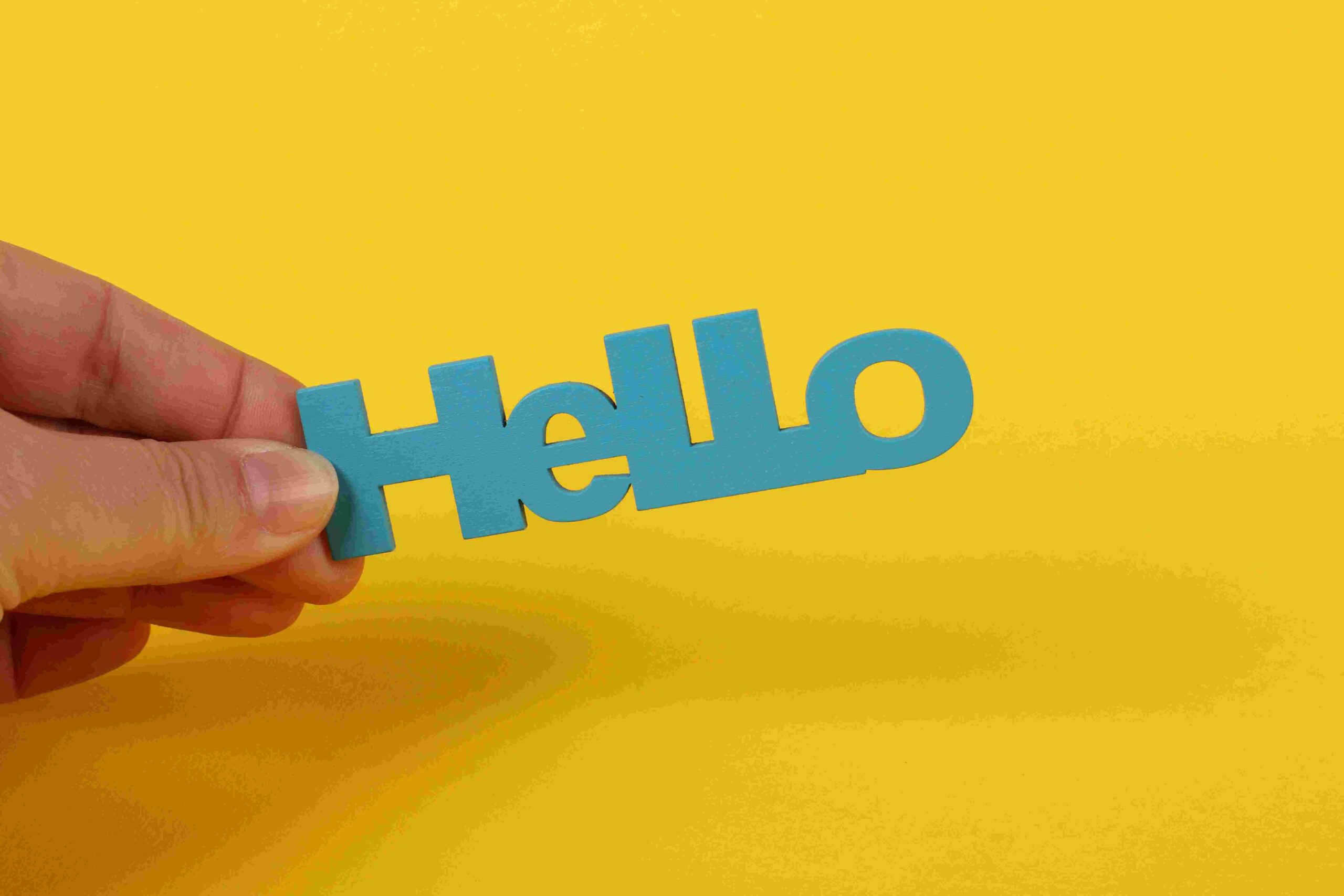
Typography now expresses personality and emotion, moving beyond mere readability. Designers use bold, unconventional fonts and dynamic layouts to capture attention and shape a story’s emotional tone. These emotion-driven choices allow brands to communicate authentically, while playful typography adds memorable character, which encourages rule-breaking and unique visual impact.
Adobe highlights that aligning typography with a brand’s core emotional values is crucial. This strategic approach moves beyond aesthetics to forge a genuine connection with the audience. By understanding the psychology of type, you can select fonts that embody the brand’s long-term vision. This transforms typography into a powerful tool to evoke specific feelings and create a memorable, competitive edge.
As users become more aware of digital influence, design is shifting toward visuals that communicate honesty, openness, and respect. This trend prioritizes clean layouts, readable fonts, and minimal imagery manipulation. Instead of persuasion, designers now embrace clarity, which ensures content feels authentic, accessible, and aligned with user well-being.
This movement is also shaped by growing public concern over how digital platforms affect young audiences. According to TorHoerman Law, many parents have alleged that Facebook contributes to youth mental health issues. The platform’s design and algorithms were allegedly optimized to maintain user addiction. This highlights the ethical responsibility of design.
The Facebook lawsuit intensified scrutiny of creative design choices that mislead or strain users. In response, creators are now adopting more transparent and emotionally responsible visual approaches.
This shift strengthens user trust and inspires safer, more supportive digital environments. It ultimately sets a new, higher standard for genuinely ethical and human-centered design. This commitment to transparency is fundamental to building safer, more trustworthy digital spaces.
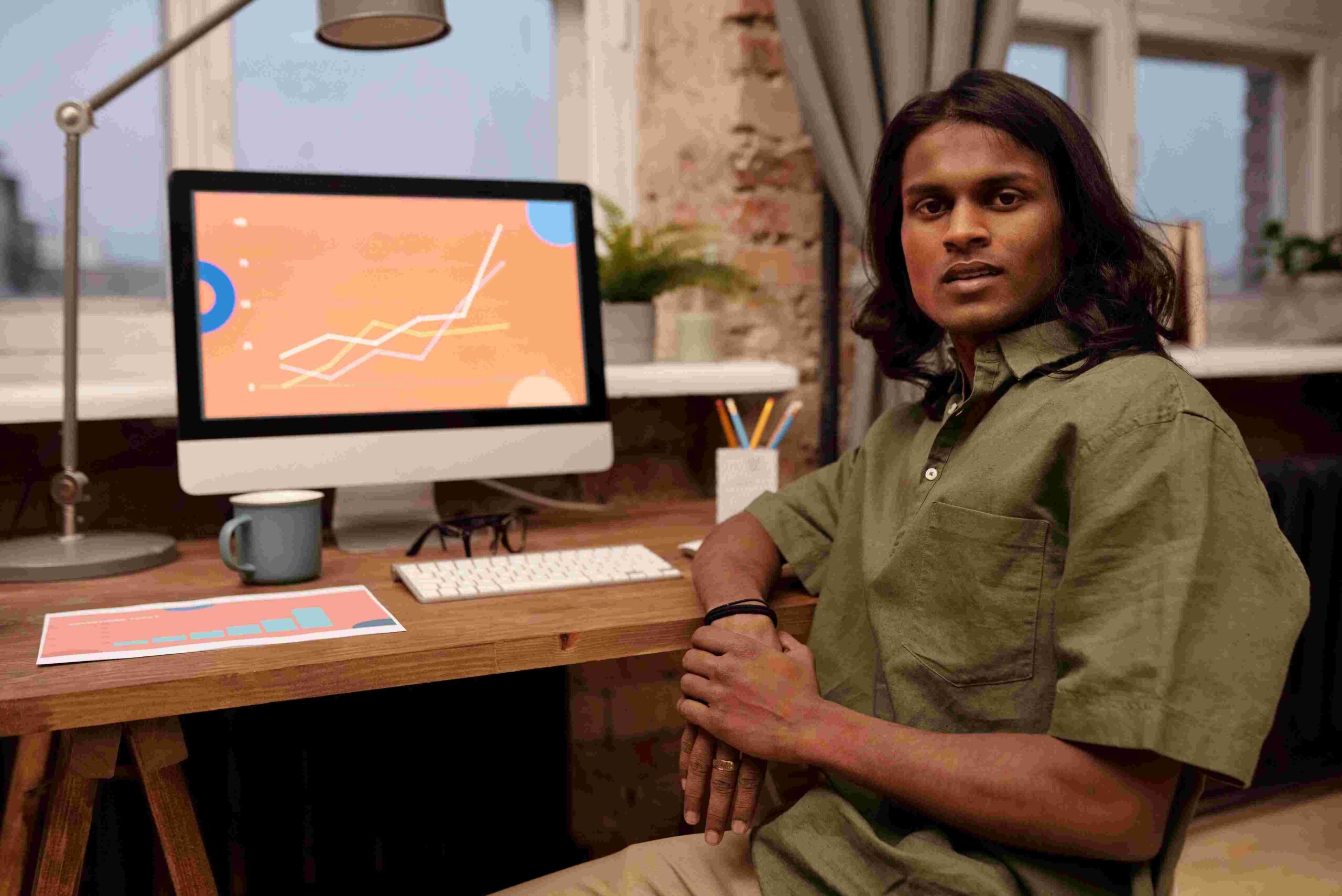
Amidst advancing technology, the most resonant trend is a return to humanity itself. Human-centered visual design prioritizes empathy, which crafts experiences that feel intuitive, accessible, and genuinely helpful. This approach goes beyond aesthetics to create a deeper emotional connection with users. It relies on relatable imagery, inclusive visuals, and interfaces that adapt to individual needs.
A PwC report found that 73% of consumers view positive experiences as essential for brand loyalty. This influence surpasses price and product. It shows why emotionally aware design matters. When users feel seen and valued, brands build trust and strengthen long-term engagement.
Immersive visual storytelling is reshaping how audiences connect with digital content. Subtle motion and small interactive effects introduce complexity and purposefully direct user attention. Layered layouts create dimension, blending visuals, text, and motion seamlessly. This approach helps brands convey complex ideas more intuitively while maintaining emotional engagement.
The AI Journal notes that animated videos remove unnecessary clutter and sharpen message clarity. They present a clear journey from problem to solution. Their structured visuals guide user focus naturally. They also turn abstract ideas into concrete, memorable scenes, which enhance immersive storytelling through motion and layered layouts.
Modern creative design is moving away from flawless, overly polished visuals and embracing a raw, imperfect aesthetic that feels deeply human. Grainy textures, hand-drawn details, asymmetry, and unfiltered photography are becoming powerful tools for creating work that feels relatable and emotionally honest. The transition highlights the rising public yearning for authenticity amid a flood of carefully curated media.
By highlighting imperfections, designers communicate vulnerability, individuality, and a more grounded sense of reality. Brands adopting this approach often build stronger emotional connections, as audiences increasingly seek genuine representation over perfection. This trend encourages creatives to celebrate uniqueness and craft visuals that resonate on a more personal, human level.
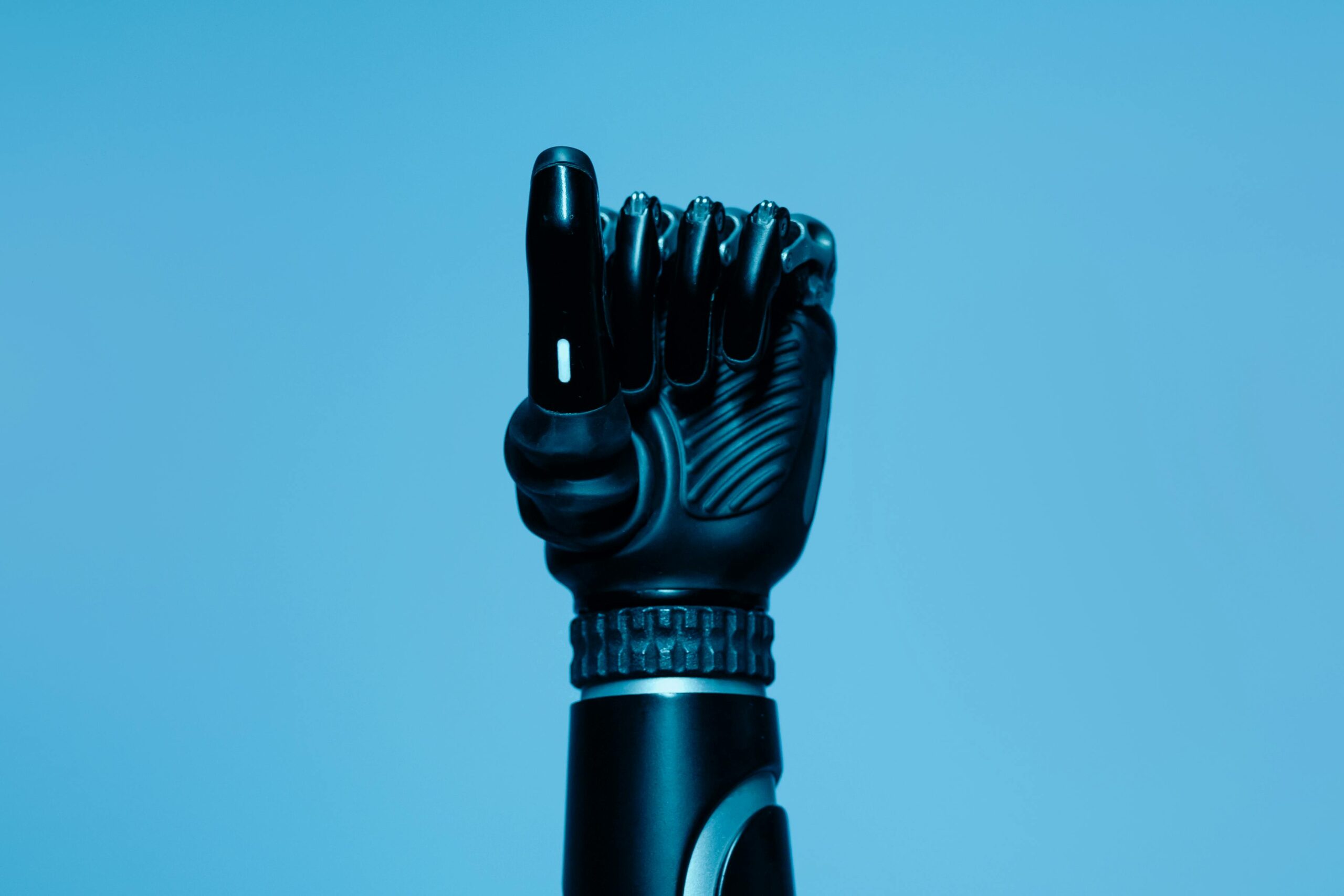
AI is reshaping the creative landscape by expanding what designers can imagine and produce. It speeds up workflows and enables experimentation on a larger scale. Designers can explore variations instantly and refine ideas with precision. Rather than replacing creativity, AI amplifies it, allowing greater focus on storytelling and emotional impact.
According to Microsoft, the adoption of generative AI tools has experienced an increase of almost 100% over the last half-year. Around 75% of global knowledge workers now rely on it. This surge highlights AI’s rapidly expanding role in creative fields. It also shows how essential these tools have become for modern designers.
Beginners can practice visual storytelling by starting with simple scenes, clear focal points, and consistent color themes. Studying films, illustrations, and UI flows strengthens narrative instincts. Regular feedback and iteration help them improve their ability to communicate stories visually.
Balance creativity and usability by prioritizing clarity first, then adding innovation that enhances the user experience. Use intuitive layouts, consistent typography, and accessible interactions. Test early with real users so creativity supports purpose, which keeps your design both engaging and effortless.
Avoid adopting new styles without understanding their purpose or audience fit, and don’t overload designs with excessive experimentation. Ignoring usability, copying trends blindly, or losing brand consistency weakens results. Prioritizing feedback and refinement keeps your creative direction balanced and intentional.
As the creative design world continues to evolve, these trends show that design is now experiential, emotional, and deeply human. Embracing authenticity and transparency helps your work resonate more personally. Motion, innovation, and user-centered thinking further elevate your approach.
Playful typography, immersive storytelling, and AI-driven creativity each open new possibilities. Ultimately, the future belongs to designers who blend imagination with intention to create lasting impact.
Visit Nathatype’s blog for more creative inspiration!