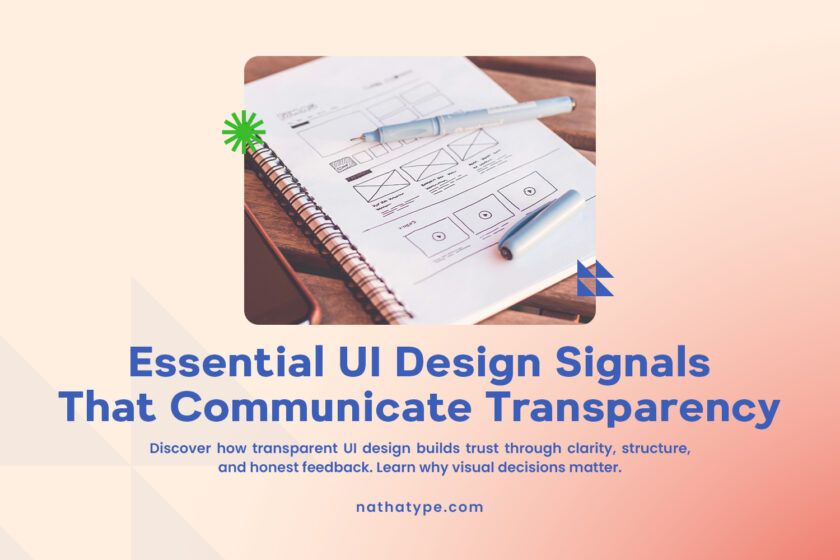
Each effective design comes from the main foundation: the layout. Layout allows audiences’ eyes to move in an efficient manner, making information easier to understand and enhancing a design’s principal message. A cluttered, unstructured layout, on the other hand, can distort the visual flow that should lead the audience’s attention. Thus, knowing layout design principles will be the first and most important step for designers in creating communicative, functional, and visually valuable artwork.
In a more profound analysis, layout functions as more than just a visual structure; it is a communicating tool that shapes the audience’s experience and perception. There is a design decision that affects the visual flow and audiences’ emotion in each line, space, and room that is created. Applying the layout design principles wisely results in more than just a beautiful and harmonized composition. In fact, it can deliver a visually appealing experience and a clear and strong design message.
That is why this article will go deeper into understanding layout design principles, particularly their significance as the foundation for effective visual communication. Understanding these principles allows designers to create impressions that are consistent with the professional, elegant, and dynamic design messaging.
Table of Contents

Layout design principles are the fundamental guidelines for managing the visual elements of a design to achieve balance, clarity, and harmony while providing an effective and appealing visual message. Simply put, these principles assist designers in determining the interactions between elements such as text, images, space, and colors, ensuring that each component functions smoothly.
Besides that, these layout design principles can unify both functionality and aesthetics. The function ensures that information will be readily understandable, while the aesthetics present a visually appealing experience. Both complement each other and result in communicative and emotionally appealing designs.
These principles become the foundation for various design fields, including graphic design, user interface (UI), and product packaging. Despite its diverse use, the goal remains the same: to create an ordered, harmonious, and communicative layout.
Behind the most compelling layout designs are several well-applied design principles. These principles serve as a guide for designers in arranging visual elements so that they appear harmonious and clear and can convey messages with outstanding clarity. The following are some key points from layout design principles:
The main point is balance. This basic principle ensures each element in the layout is proportionally and harmoniously arranged. The purpose is to create a sense of stability and comfort whenever the artwork is seen. The balance can be symmetrical, in which each element is placed in balance, and can also be asymmetrical, highlighting the dynamics through the difference of sizes, colors, and shapes.
Contrast is used to create a clear difference among design elements, allowing the audience to recognize which part of the design is the most essential. The use of color, size, shape, texture, and typography can realize these differences. The proper application of contrast helps establish a clear visual hierarchy and enhances the readability and overall appeal of the design.
Alignment arranges the position of elements so that each part is interconnected and forms a neat and balanced appearance. This layout design principle helps maintain the order and clarity of the layout structure, allowing the audience’s view to follow the flow of information. Consistent alignment creates a professional impression as well as cohesion among design elements.
Proximity focuses on the element grouping that has interconnected meaning. Among all these layout design principles, this one emphasizes that elements placed close to each other will appear to be related, while elements that are separated are considered unrelated. Through the application of proximity, designers can create visual order and help the audience understand the structure of information more quickly and efficiently.
Repetition plays a role in creating visual consistency. This principle is done by repeating certain elements, such as the colors, shapes, lines, or typography, to strengthen the visual identity and build the design rhythm. Consistent repetition helps the audience recognize patterns as well as enhances the professional and cohesive impression.
Visual hierarchy determines the priority in delivering information. Through the arrangement of size, color, position, or contrast, designers can direct the audience’s attention to focus on the most important elements first. This is one of the layout design principles that ensures the main message is conveyed clearly before attention shifts to other supporting details.
White space is an area within a design that is intentionally left empty to provide a visual gap. This principle is important for maintaining balance, enhancing readability, and highlighting the main elements of a design. The use of white space in an effective manner helps a design look more spacious, elegant, and more focused on the messages that need to be conveyed.

Each principle in layout design cannot stand alone; they need to complement each other to shape a full and effective visual composition. A great layout is a collaboration between layout design principles, where balance maintains visual stability, contrast highlights differences, and hierarchy directs the audience’s attention to the most important elements.
When all these layout design principles are applied harmoniously, designers can naturally guide the audience’s line of sight. The eyes will move following the sequence of information that has been designed, from the main elements to the supporting details. This application not only clarifies the message to be conveyed but also creates a comfortable and directed visual experience, both in print and digital media.
When designing, there are some common mistakes that happen when applying layout design principles. Some of them are the placement of too many elements in one field, the use of weak contrast, and the neglect of white space. These three things can significantly reduce the clarity of the visual message because it will be difficult for the audience to determine the focal point and follow the flow of information.
To address these problems, designers need to simplify the composition by selecting only essential elements, strengthen the contrast to make significant differences, and provide white space where it is necessary to maintain the visual balance. Doing the proper application will not only make a design look neat but also be able to deliver the message in a more structured and effective way.

Modern design requires customization of these layout principles for various contexts, such as UI designs, branding, and editorial designs. The essential principles, such as balance, contrast, and hierarchy, become the basis for achieving consistency and visual clarity.
Various design tools, such as Figma, Canva, and AI layout generators, make the designing process easier, quicker, and more precise. As a designer, you should use these technologies only as supporting tools while fully understanding the layout design principles.
Maintaining a balance between applying core principles and design trends is crucial to ensure the end result remains relevant and functional. Effective designs start with a planned and organized visual structure instead of blindly following popular or current design trends.
Layout principles are the foundation for creating effective visual communication in a design. The right application of these principles will make your entire design appear coherent, informative, and capable of effectively communicating its message. In addition, an excellent layout improves the appearance while also clarifying the direction of communication between the designer and the audience.
As a designer, it is important to experiment with various combinations of layout design principles to determine the visual approach that best fits your design’s character. Each design project has its own challenge, so flexibly implementing these principles can result in more relevant and meaningful artwork.
Start applying layout design principles to every project you undertake, whether it’s web design, branding, or print media. A well-planned visual structure will help enhance the appeal and effectiveness of communication in every work you create.
Visit Nathatype’s blog and discover more interesting information!