Most gym owners think access control is just about locking doors after hours. It’s not.
Today, a cloud-based gym access control system directly impacts revenue, liability, staffing costs, member retention, and operational efficiency. With the global fitness industry projected to surpass $100 billion in annual revenue worldwide, and U.S. gym membership rebounding past 70 million members (IHRSA 2023 report), competition is tighter than ever. Margins are thin. Expectations are high.
The gyms that win are the ones that operate smarter.
This article breaks down the top 10 business advantages of cloud-based gym access control, using real industry data and practical examples to help you understand how modern systems impact your bottom line.
Table of Contents
The average gym operates 14–18 hours per day. Some operate 24/7. Labor is often the largest operational cost after rent. At the same time:
Cloud-based gym access control systems are no longer optional upgrades. They are operational infrastructure. Let’s break down the advantages.
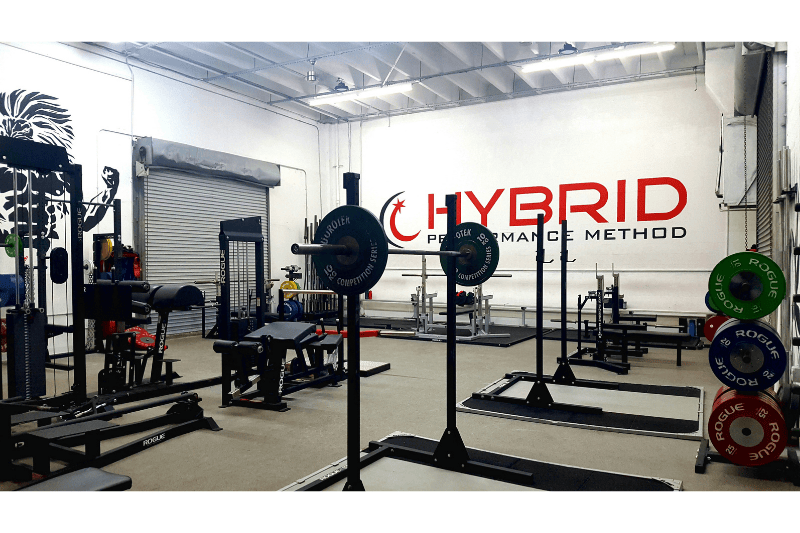
The biggest advantage is simple: more access equals more revenue.
A cloud-based gym access control system allows members to enter using:
The members can access it without requiring a front desk employee.
According to IBISWorld, the average U.S. gym spends 20–30% of revenue on labor costs. Eliminating overnight staffing while keeping doors open creates immediate savings.
Example:
If a gym pays $18/hour for overnight staff (8 hours per night), that equals:
Cloud-based access control allows that gym to operate 24/7 without that expense.
Credential sharing is a hidden revenue leak. Members bringing guests without payment reduces income and increases overcrowding.
Modern cloud systems detect:
AI-driven analytics can alert management instantly. Industry data suggests that unauthorized access in fitness centers can account for 2–5% of lost revenue annually. For a gym generating $1 million per year, that’s potentially $20,000–$50,000 lost. Stopping abuse protects both fairness and profitability.
If you operate multiple gyms, traditional key-based systems quickly become unmanageable.
Cloud-based platforms allow you to:
This reduces administrative time dramatically. Multi-site operators report saving 10–15 hours per week in manual credential management after switching to centralized access control.

Safety concerns impact member retention. According to a 2022 fitness consumer survey, over 60% of members say safety influences where they work out.
Cloud-based systems integrate with surveillance and emergency management tools, allowing:
For example, modern systems unify access control, video intelligence, and emergency alerts into one platform. A gym security solution like Coram’s gym access control system, for instance, combines secure member entry with tailgating detection, locker room protection through privacy masking, and centralized monitoring across locations. The system supports mobile credentials, tracks every access event, and can trigger alerts during unusual activity, helping operators maintain 24/7 access while improving safety standards.
The key business impact: Better safety reduces legal exposure and strengthens brand trust.
When incidents occur, time matters. Traditional systems require manually reviewing hours of footage. Cloud-based access control links:
This dramatically reduces investigation time. Security teams report cutting review time by 50–70% when door logs and video are paired automatically. That efficiency matters when resolving disputes, insurance claims, or member complaints.
Legacy access control often requires:
Cloud-based systems reduce:
If a traditional rekey costs $150 per lock and you have 10 controlled doors, that’s $1,500 per incident when keys are lost. Cloud systems deactivate credentials instantly at zero hardware cost.

Modern members expect convenience. Cloud-based gym access control supports of the following:
According to Deloitte’s 2023 digital experience study, 73% of consumers prefer mobile-enabled service experiences when available. Removing friction increases satisfaction and retention. Retention improvements of even 5% can increase profitability by 25–95%, according to Bain & Company’s loyalty research. Convenience translates directly into lifetime value.
Traditional security is reactive. Cloud-based systems are proactive. Managers receive alerts for:
This reduces response time and prevents small issues from escalating. In risk management, speed equals savings.
Access data reveals patterns:
These insights help optimize:
Data-driven facilities outperform guesswork.
Opening new locations becomes easier with cloud-based infrastructure. Instead of installing complex servers at every new gym, operators:
Expansion becomes operationally smoother. Scalability reduces friction when growing from 1 location to 5 or 50.
| Feature | Traditional System | Cloud-Based System |
| Remote management | No | Yes |
| 24/7 access without staff | Limited | Yes |
| Credential updates | Manual | Instant |
| Multi-location support | Complex | Centralized |
| Tailgating detection | Rare | AI-driven |
| Integration with video | Separate | Unified |
| Scalability | Hardware-heavy | Software-driven |
When you combine:
Cloud-based gym access control is not just a security upgrade. It’s a business multiplier.
Gym owners who treat access control as a simple door lock miss the bigger picture. In 2026, the real advantage of cloud-based gym access control is operational intelligence. It reduces costs, increases revenue, improves safety, and enhances member experience simultaneously.
The fitness industry is competitive. Margins are narrow. Member expectations are rising. Smart infrastructure decisions today determine profitability tomorrow. The question is no longer whether gyms should adopt cloud-based access control. It’s how quickly they can afford not to.
Discover more design tips, tutorials, and inspiration by exploring the latest articles on the Nathatype blog.