The graphic design industry is evolving in response to technological advancements, shifts in audience behavior, and the dynamics of global visual culture. In 2026, design approaches will no longer focus solely on aesthetics but also on functionality, user experience, and AI-based integration. Understanding graphic design trends in 2026 has become an important process for designers and brands in maintaining relevancy amidst the fierce visual competition.
The graphic design trends in 2026 demonstrate a combination of complex digital exploration and the need for authentic visual communication. Experimental typographies, motion-based designs, 3D elements, and a firmer minimalistic approach become part of the transformation. Each trend isn’t only presenting style refreshment but also responding to technological advancement and the shift of modern audiences’ preferences.
Through understanding graphic design trends in 2026, the creative industry players can determine the right visual direction to pursue. This article will review 10 design styles predicted to be widely used throughout 2026, along with an explanation of the factors driving the increased relevance of each trend.
Table of Contents
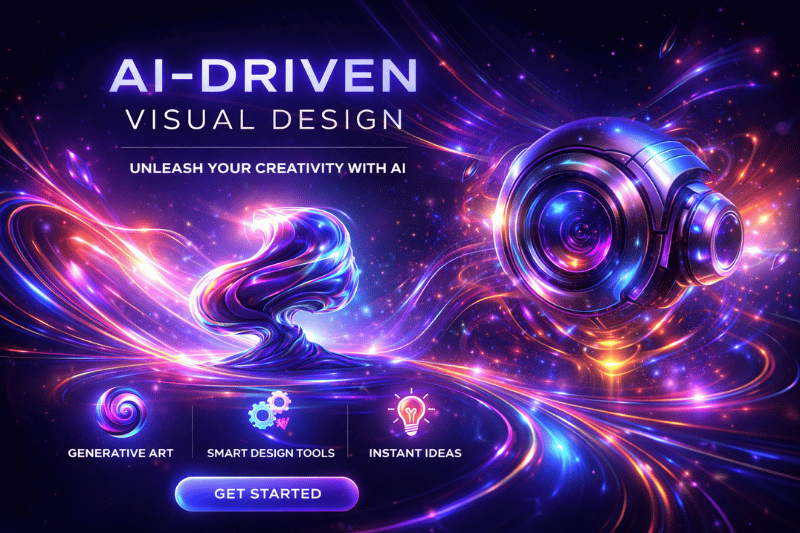
AI-Driven Visual Design is a design trend that leverages artificial intelligence as a creative tool. For new designers, AI is a technology that helps generate visual ideas, create supporting illustrations, arrange layouts, and recommend color and typography combinations automatically.
In the graphic design trends in 2026, AI doesn’t substitute the designer’s role but rather hastens the idea exploration process. For example, when planning poster designs or social media content, AI can create some composition alternatives quickly. The main advantage lies in efficiency and idea diversity.
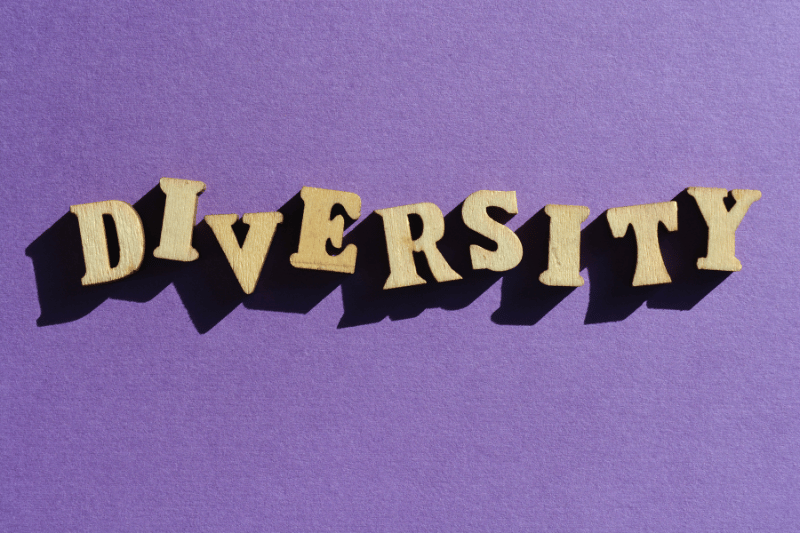
Immersive 3D typography is a trend that displays letters in 3D, creating a realistic sense of depth and space. Unlike 2D typography, which tends to be flat, this style uses lighting, shadows, and texture to create a more realistic and eye-catching appearance. This trend is one of the most prominent in graphic design in 2026, thanks to its ability to create a more dynamic visual experience.
In the context of graphic design trends in 2026, typography isn’t only an information provider but also a center of visual composition. This approach allows letters to be shaped like a physical object or combined with a digital effect. Despite its attractive appearance, designers should still prioritize readability to convey the message clearly and effectively.
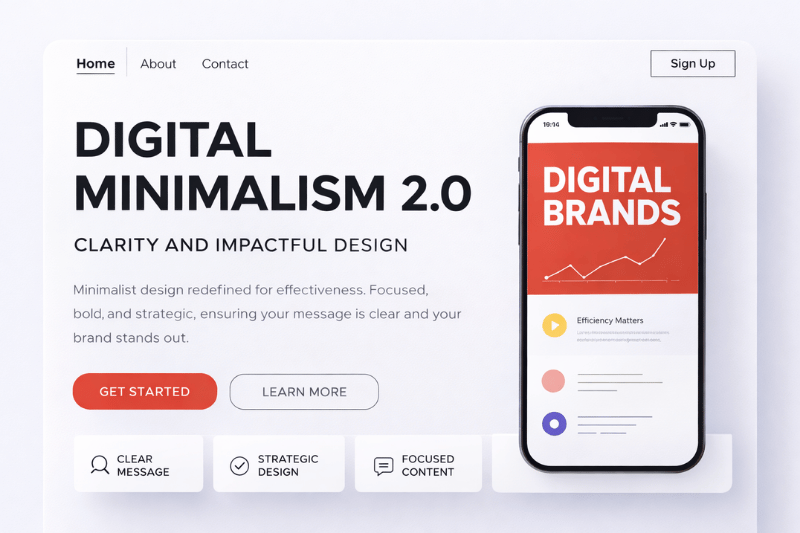
Digital Minimalism 2.0 builds on the concept of minimalism, emphasizing visual simplicity with a firmer, more focused approach. This style presents a clean look, utilizes contrast in color selection and typography size, and applies white space to create a clear focus.
Aligned with other graphic design trends in 2026, Digital Minimalism 2.0 focuses on message clarity and the effectiveness of visual communication. Each carefully selected element has a clear function, so that there is no excessive decoration. Website design, digital branding, and social media content widely employ this approach, prioritizing readability and an effective visual experience.
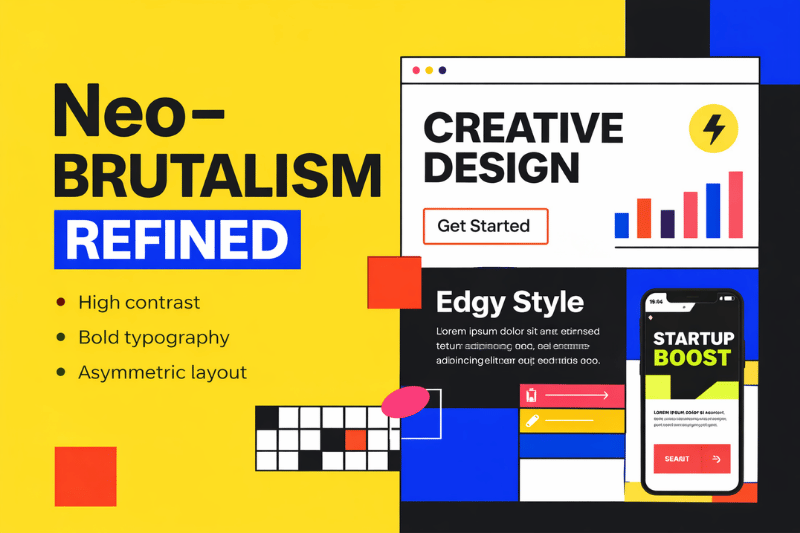
Neo-Brutalism Refined is a development from the brutalism style that emphasizes firm visual elements, high contrast, and unconventional layout. Unlike classic brutalism that tends to look rough and experimental, the refined version presents a more structured and controlled approach. The refined version maintains striking color, bold typography, and asymmetric composition but arranges them with a clear hierarchy and grid system to ensure reading comfort. Creative websites, startup branding, and digital campaigns widely apply this style, prioritizing visual boldness without sacrificing readability.
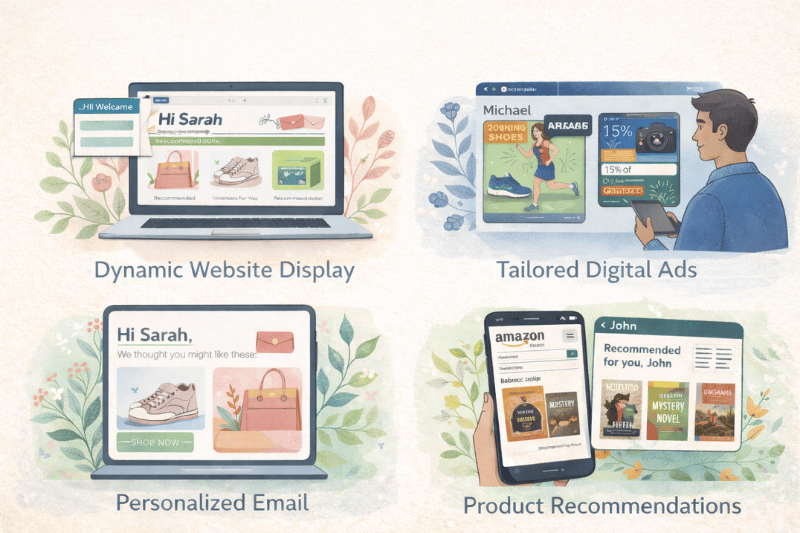
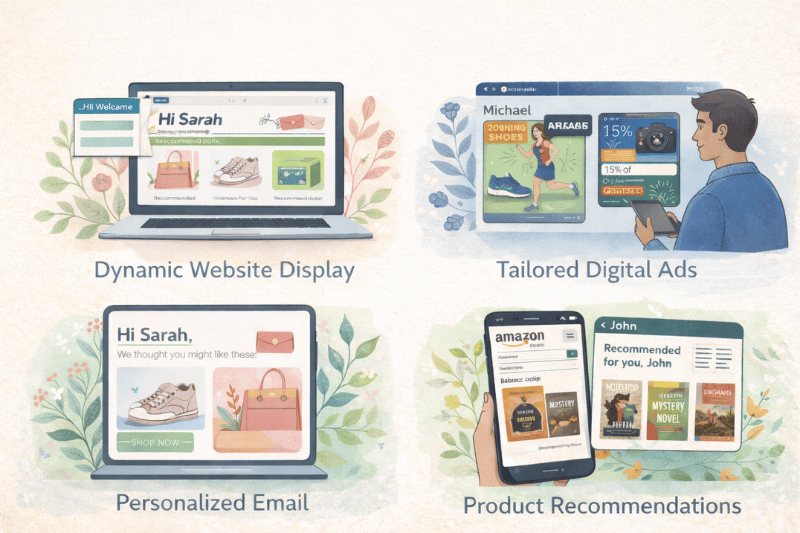
Hyper-Personalized Branding is a strategy to build a brand with a specific and audience-based approach. Brands no longer deliver the same message to everyone but tailor communication based on individuals’ interests, behavior, preferences, and interaction history. This approach utilizes digital data to create content and a more relevant, targeted experience.
In the application, personalization can include email marketing, a website interface that adapts to user preferences, and different ads tailored for each user. The goal is to increase engagement, strengthen emotional connections, and create loyalty. With this, the audience will feel more deeply and authentically understood by the brand.
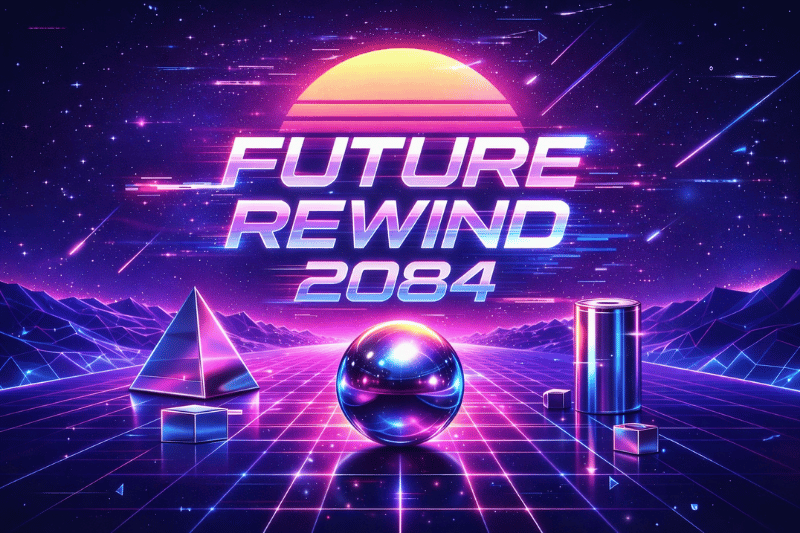
Retro-Futurism Blend is an approach that combines old-time visual aesthetics with modern technology. This style commonly gets its inspiration from the 80s to 2000s, like neon gradation, retro typography, glitch effect, and futuristic grid elements. These nostalgic elements come together into one with contemporary techniques such as 3D rendering, motion graphics, and precise digital lighting.
In terms of graphic design trends in 2026, this approach is relevant because it can provide an emotional and innovative visual experience. Retro-Futurism Blend does not simply imitate past styles; it reinterprets them through a contemporary design perspective, blending traditional techniques with modern technology to create unique and engaging visuals. Therefore, it is perfect for attracting the digital generation without losing its classic aesthetic value.

Organic and Textured Elements is a design approach that uses natural texture and hand-drawn themed visual elements. It is a response to the dominance of an overly smooth and precise digital look. This style utilizes details like grains, brush strokes, organic illustrations, and an earthy color palette. As a result, this approach exudes a warm, expressive, and human-centered design impression.
Sustainability and lifestyle brands, as well as creative products, often apply this approach to build an authentic and friendly image. It helps them connect more deeply with their audience and convey their values effectively. The texture functions not only as an aesthetic element but also as a visual communication strategy that affirms the authentic value and emotional closure.
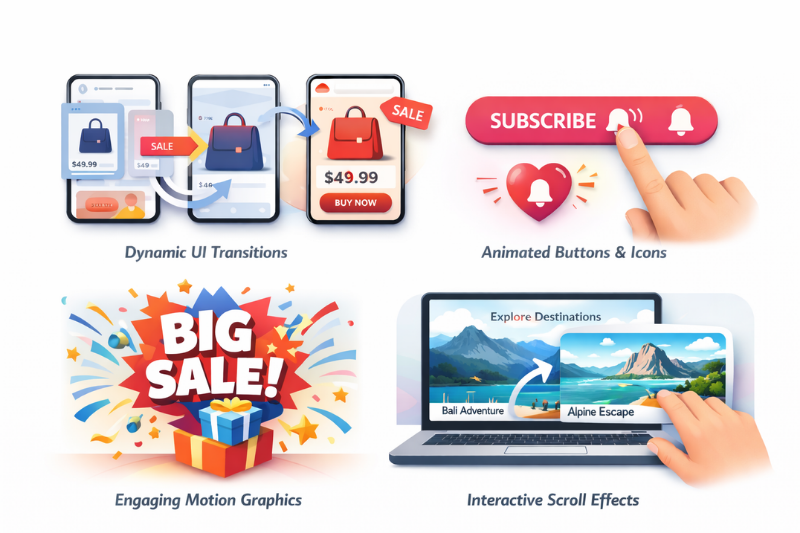
As the demand for visual communication in the digital age increases, the Motion-First Design System emerges as an approach that prioritizes motion elements as the core of the visual composition. This approach enhances user engagement, especially on mobile-first digital platforms.
In the context of graphic design trends in 2026, design isn’t only a static look but a visual structure that is integrated with micro-animation, smooth transition, and motion typography. These elements systematically become fundamental components in building a consistent visual identity and are adaptive across various digital platforms. Moreover, dynamic visuals can capture attention, clarify information hierarchy, and support more effective communication flow.
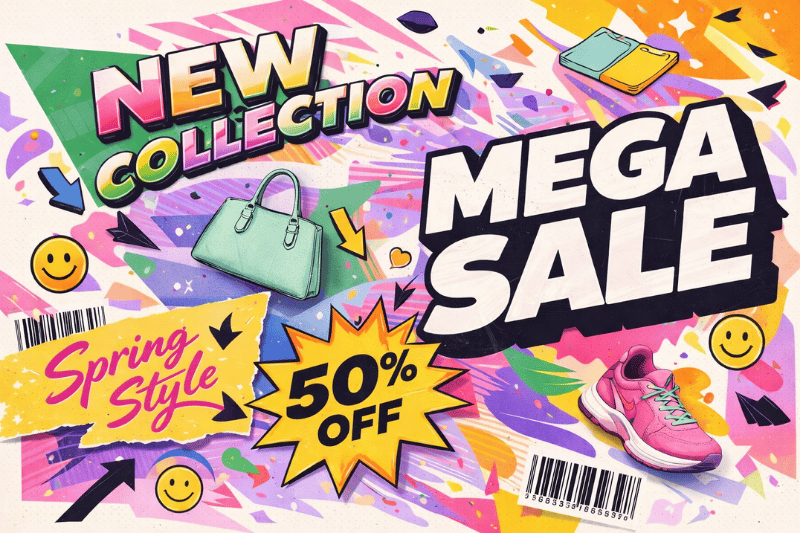
Creative campaigns, digital editorials, and modern branding projects commonly apply this style, seeking progressiveness, boldness, and distinctiveness from a formal layout. As a part of the graphic design trends in 2026, this approach becomes prominent because it can give a strong visual and be relevant to a digital audience. The bold experimental layout explores an unconventional grid that features a more flexible and unpredictable arrangement of elements.
Despite its unconventionality, the principles of hierarchy, contrast, proportion, and visual balance maintain control over the dynamic and expressive impression. These ensure that the design remains effective and communicates the intended message clearly to the audience. As a result, despite its experimental look, it maintains a directed and understandable flow of information.
Sustainable Visual Aesthetic emphasizes that design isn’t only a visual element but also a representation of value and environmental responsibility. The use of natural colors, simple typography, and authentic visual elements represents a significant shift in graphic design trends for 2026. The trends now go toward a more meaningful and environmentally conscious design, which prioritizes sustainability in the creation of visual content.
In the end, aesthetic values not only come from their beauty but also from the impact and the message they convey. Sustainable design builds trust, strengthens brand identity, and consistently reflects a commitment to environmental and social issues.
The development of graphic design trends in 2026 shows the shift to a more strategic, adaptive, and valuable approach. The various trends discussed demonstrate that design is not only about emphasizing aesthetics but also about experience relevance and strong visual impact.
Use these trends as a reference, not just a guide. Choose what best aligns with your brand and apply it consistently to create more professionally directed and competitive work in 2026. Find your inspiration for typography and other design needs in supporting the development of your brand’s visual identity through Nathatype!