Artificial intelligence is changing the way people create, edit, and interact with visual content. What once required specialized software, technical skills, and hours of manual work can now be accomplished with a simple text prompt. From concept artists and marketers to educators and casual creators, people are increasingly exploring AI-powered tools to turn ideas into images.
One of the most accessible examples of this technology is an AI art generator, which can transform written descriptions into original visual concepts. While these AI art generators do not replace human creativity, they can make experimentation faster and open new possibilities for people who may not have traditional artistic skills.
Table of Contents
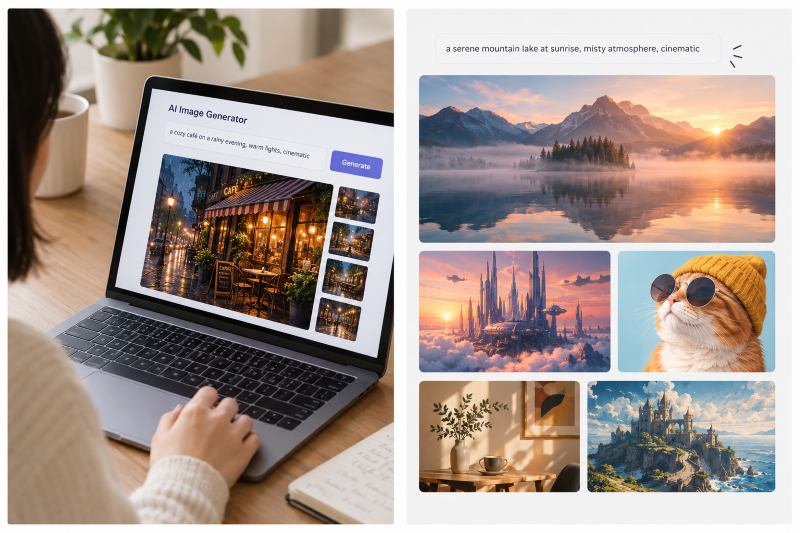
An AI art generator is a software tool that uses artificial intelligence and machine-learning models to create images based on user instructions. Depending on the platform, users may enter a description such as “a futuristic city at sunset” and receive an image reflecting the requested subject, atmosphere, and visual style.
Modern systems can often interpret details such as:
The technology behind these tools varies, but many modern image-generation systems use advanced models trained to recognize relationships between text and visual information.
Although the underlying technology is complex, the basic process can be explained relatively simply.
First, the user provides a text prompt describing the desired image. The AI model analyzes the words and attempts to understand the relationships between the concepts in the request.
The system then generates an image based on patterns it has learned during training. Some technologies begin with visual noise and progressively transform it into an image that corresponds to the prompt. This process allows the software to produce highly detailed results without requiring the user to manually draw every element.
The quality of the final image can depend significantly on the model, the prompt, and the controls available on the platform.
One major reason for the popularity of AI-generated art is accessibility. Traditional digital art can require knowledge of drawing techniques, graphic design, photo editing, or specialized software. AI tools can reduce some of these barriers.
They can also make the creative process more efficient.
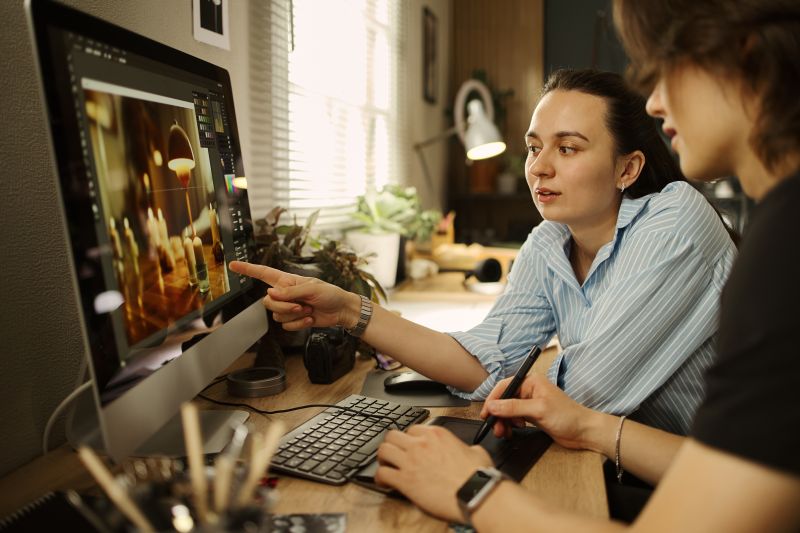
For example, a designer working on a campaign might generate several visual concepts before deciding which direction to develop. A writer could create an illustration for a fictional setting, while a small business owner might experiment with social media graphics without hiring a professional designer for every idea.
This does not necessarily mean that AI eliminates creative work. Instead, it changes where that work happens. Users still need to decide what they want to create, communicate their ideas effectively, evaluate the results, and refine the output.
AI image generation has applications across many different fields.
Businesses can use AI-generated visuals when brainstorming campaign concepts, creating social media content, or developing early design ideas. It can be particularly useful during the initial stages of a project, when teams need multiple concepts quickly.
Bloggers, video creators, and publishers can experiment with AI-generated illustrations for articles, thumbnails, presentations, and other digital content.
Teachers and students can use generated images to visualize historical settings, scientific concepts, fictional scenarios, or abstract ideas. Visual material can sometimes make complex subjects easier to explore.
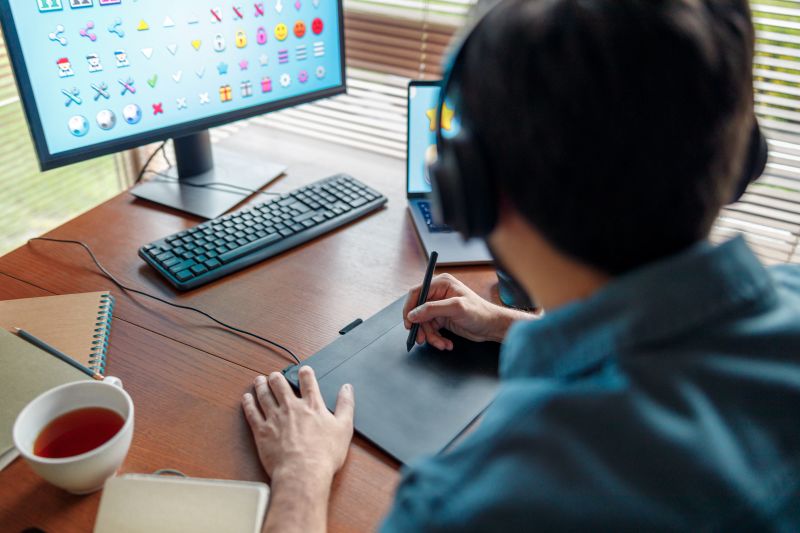
Game designers and creative teams can use AI tools to experiment with environments, characters, objects, and mood boards. These early concepts can help teams communicate an artistic direction before investing substantial time in final production.
AI art is also useful simply for experimentation. People can turn imaginative ideas into visual concepts, create fictional landscapes, explore different aesthetics, or produce artwork for personal projects.
The rapid development of AI image generation has raised questions about whether machines will replace artists and designers. In practice, the relationship between AI and human creativity is more nuanced.
AI can generate an image, but the human user generally provides the intention behind the project. Choosing an idea, developing a concept, writing an effective prompt, selecting the most useful result, and making revisions all involve creative decisions.
For professional projects, human expertise remains particularly important. An AI-generated image may look impressive but still contain inaccurate details, inconsistent elements, or visual choices that do not suit the intended audience.
The strongest results often come from treating AI as a creative assistant rather than an automatic replacement for creative judgment.
A detailed prompt can make a significant difference to the generated result. Instead of entering a vague instruction such as “a beautiful landscape,” users can describe the subject, environment, lighting, composition, and desired visual characteristics.
For example, a prompt might specify a quiet mountain lake at sunrise, mist surrounding the water, warm morning light, and a wide cinematic composition.
Experimentation is part of the process. Users may need to adjust their wording several times before achieving an image that matches their original idea.
The growth of AI-generated art has also created important discussions around copyright, ownership, training data, and artistic attribution. The legal framework surrounding AI-generated content continues to develop and can vary between jurisdictions.
Users should therefore check the terms of the specific AI platform they use, particularly when creating images for commercial purposes.
It is also worth considering transparency and originality. Using AI responsibly means understanding how generated material will be used and avoiding misleading claims about how an image was created when disclosure is relevant.
There is no single AI image-generation tool that is ideal for every project. Different platforms may specialize in photorealistic images, illustrations, design concepts, editing, animation, or particular artistic styles.
When comparing tools, users should consider:
It is also useful to experiment with more than one platform when a project requires a particular visual style or workflow.
AI image generation is developing rapidly. Future AI art generator tools are likely to offer greater control over composition, characters, editing, animation, and interaction between different types of media.
The technology may increasingly become part of ordinary creative software rather than remaining a separate category of specialized tools. Instead of creating an image entirely from scratch, users may work with AI throughout the creative process—from brainstorming and concept development to editing and final production.
The most important development may therefore not be the ability of AI to create images independently, but its ability to give more people practical ways to explore visual ideas.
AI art generators are making digital image creation more accessible and changing how people approach visual creativity. They can help users brainstorm concepts, experiment with styles, produce visual material, and explore ideas that might otherwise require significant technical expertise.
At the same time, AI-generated art comes with limitations and important questions surrounding accuracy, originality, copyright, and responsible use. Understanding these issues allows creators to use the technology more thoughtfully.
Rather than viewing artificial intelligence and human creativity as competing forces, it can be more productive to see AI as another tool in the creative process. The technology can provide speed and experimentation, while human imagination, judgment, and purpose remain central to meaningful creative work.
Wanting to gain more insights and inspiration about the creative world? Explore our latest blog more.