In 2026, the concept and determining factors for the best logo design continue to develop following changes in the visual landscape of the design world. The domination of minimalistic style that was previously considered the best standard starts to show its saturation point. This is because its use is too uniform across brands. This condition makes many logos lose their distinctiveness, resulting in the difficulty of standing out amidst the flow of designs that are increasingly similar to each other.
In a highly competitive digital environment, the need for a strong and recognizable visual identity is increasingly crucial. A logo serves not only as an aesthetic element but also as a primary representation of a brand. This requires a logo to be able to convey the brand’s message clearly and consistently.
In line with these changes, by 2026, the title of best logo design will no longer be awarded solely to visually appealing logos. Superior designs will balance the use of technology, such as AI, with authentic human emotion, resulting in a visual identity that is both relevant and meaningful.
Table of Contents
The concept of the best logo design becomes more dynamic and contextual. As time goes by, the understanding of logos has also changed. Today, logos are not only seen as aesthetic elements but also as visual systems that are able to adapt for various platforms and brand communication needs. Here are five design approaches that serve as the main references in creating a relevant and competitive logo.
Expressive Character Logo is one of the best logo design approaches that puts character illustration with a characterized visual expression as the main brand identity. The character serves as a medium to convey emotions and clearly express the brand’s identity. The simple yet expressive illustrative style makes the logo more recognizable. This characteristic effectively presents a humanistic impression, making the brand appear more communicative and relevant amidst increasingly uniform visual competition.
Modern Nostalgia is a design logo approach that blends classic visual elements with modern design touches. This style often uses old-time character designs, such as bold serifs or 70s-inspired nuances, combined with a more modern composition and color. Furthermore, nostalgic elements can build an emotional connection with the audience, while modern touches maintain visual relevance in the digital age. This combination makes modern nostalgia an effective approach to create the best logo design with character.
In the Experimental Typography approach, a letter is not only a text element but rather a visual element that can be freely explored. The custom typography comes from unconventional modifications of shapes, proportions, and details to create a distinct identity. This approach aims to build a strong differentiation while emphasizing the brand’s character. Furthermore, typographic exploration can create an exclusive and artistic impression. When applied correctly, this technique can produce a bold and distinctive logo design.
Next, Eco-Branding Symbols are the visual elements that use natural elements as the basis for creating a logo identity. Shapes such as leaves, flowing water, and organic textures were chosen to visually represent sustainability. The use of these natural elements not only reinforces the brand’s message but also creates a friendlier and more authentic impression. Amid growing awareness of environmental issues, this approach helps brands become more relatable to audiences. Companies or brands can still use organic elements through more natural logo shapes, even if they have nothing to do with the environment.
Abstract Minimalism 2.0 marks the evolution of minimalism toward more exploratory and conceptual visual forms. Design no longer focuses solely on simplicity but also on the use of abstract elements with philosophical meaning. The forms used tend to be exploratory or abstract, thus providing a wider scope for interpretation for the audience. This selection of best logo design approaches maintains the principle of visual clarity but with a dynamic composition.
The discussion of various best logo design trends in 2026 extends beyond form and visual style. The role of color and shape in conveying visual messages is an equally important aspect that designers should take note of. The knowledge of visual psychology becomes an important aspect to ensure the logo is not only aesthetically pleasing but also can be perceived and influence the audience’s emotions appropriately.
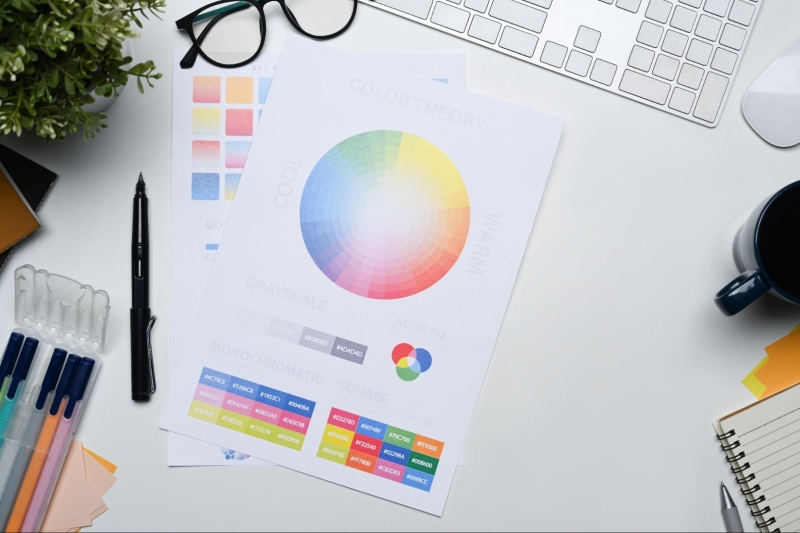
Visual psychology and color play an important part in determining the audience’s perception of a logo. Every visual element, whether color or shape, can convey a message and indirectly evoke an emotional response. Therefore, careful selection of visual elements is essential to clearly convey a brand’s identity.
Color selection plays an important role in determining the visual strength in a logo. Designers are expected to frequently use colors like cyber-lime and deep earth in 2026. Cyber-Lime reflects the futuristic, energetic, and close-to-technology aesthetic, making it suitable for brands seeking a modern image. Meanwhile, Deep Earth conveys a natural, stable, and trustworthy impression, in line with the growing attention to sustainability issues.
With the right color selection, a logo isn’t only attractive but also able to convey a brand’s character clearly. Therefore, this approach supports the creation of a relevant, best logo design.
The meaning of shape plays an important part in determining the audience’s perception of a logo. In current design trends, asymmetrical shapes are beginning to replace the dominance of geometric shapes, which tend to be rigid and formal. Asymmetrical compositions create a more dynamic, flexible, and natural impression.
This approach can make a logo look more friendly and approachable. Furthermore, the asymmetric shape gives spaces to a wider visual exploration without reducing the identity clarity. The right shape selection can strengthen a brand and support the creation of the best logo design that is communicative and relevant.
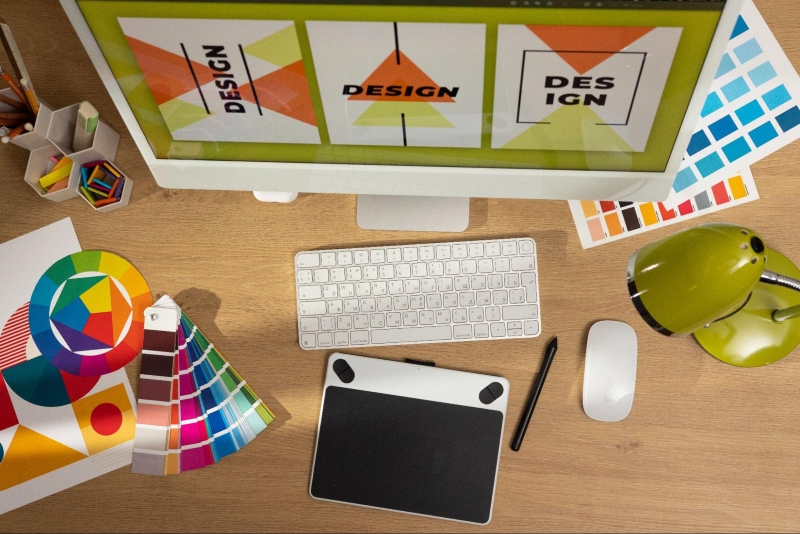
Technological advancements have transformed the way designers create visual identities. The creative process now relies not only on manual exploration but also on a variety of digital tools that accelerate and expand design possibilities. This integration allows designers to produce concepts that are more efficient and adaptive, maintaining strong aesthetic value.
The collaboration between AI and designer plays a crucial role in the creative modern process. AI helps to speed up concept exploration through visual variation. However, the result still needs curation from the designer to align with the brand identity. Humans are still the key factor in selecting and refining a design. With the right collaboration, the creative process becomes more efficient and supports the creation of the best logo design that is relevant and meaningful.
Vector optimization is a crucial technical aspect to ensure consistent logo quality across various media. Vector-based logos maintain a sharp appearance without losing detail, both at small and large sizes. This is crucial because logos are used across various platforms, from digital displays like apps and the metaverse to physical print media. With proper vector processing, logos remain sharp and proportional, supporting the best logo design that is professional.
Logo design trends continue to evolve along with changes in technology and audience visual behavior. However, trends essentially serve only as guidelines, not as absolute standards. Amidst evolving logo design trends, brand identity remains a top priority in the design process.
It’s crucial for every brand to not just follow trends but also understand their relevance and application to meet their needs. Start by auditing your current logo and evaluate whether it optimally reflects your brand identity. Explore the most appropriate trends or discuss them further to find the right design direction.